Accounts Receivable: How to Keep Them from Piling Up Out of Control
Accounts receivable is the largest asset on many construction company balance sheets — and if not managed properly, it can become a serious cash flow problem. Here's how to keep AR under control.
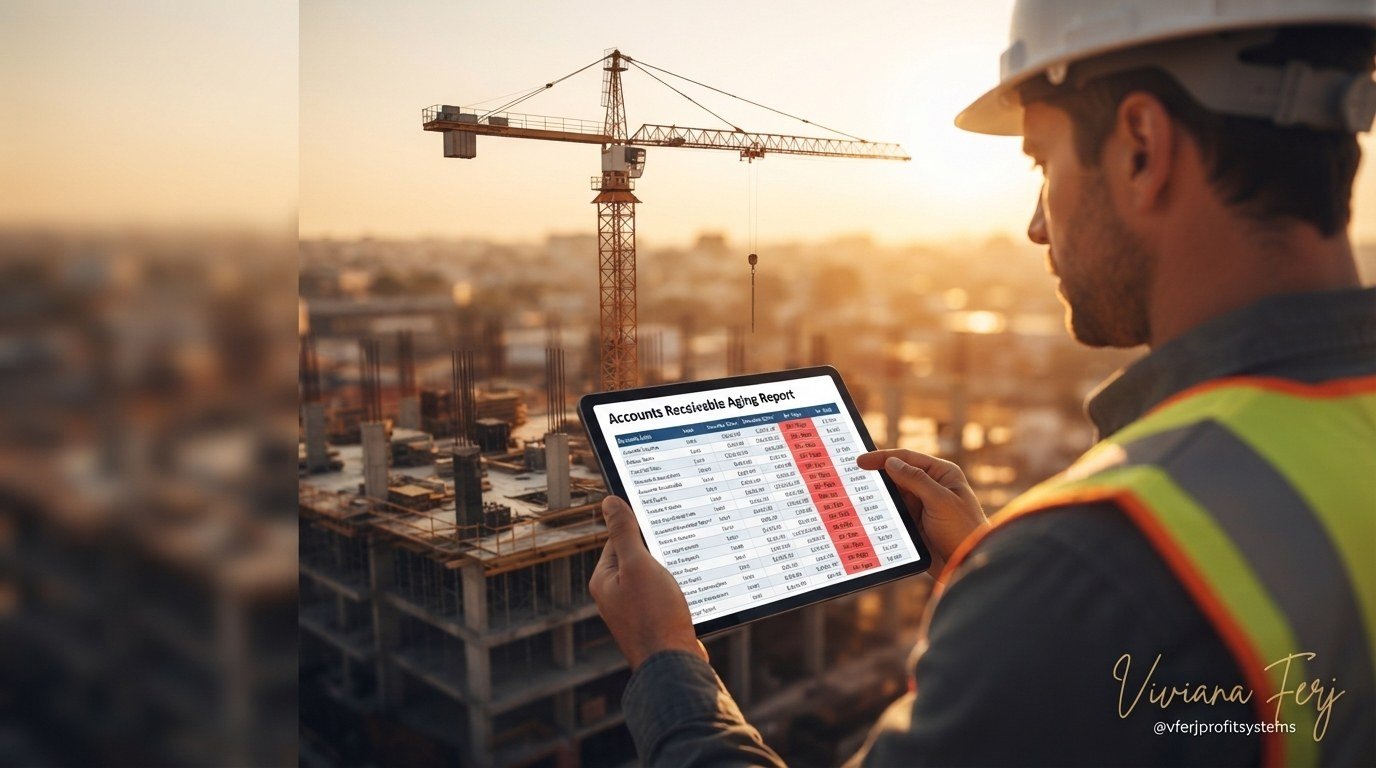
The Problem with Accounts Receivable in Construction
In construction, accounts receivable is the money your clients owe you for work you've performed but haven't collected yet. For many contractors, AR is the largest asset on the balance sheet — and the source of the most persistent cash flow problems.
When AR piles up, it creates a cash flow gap. You've done the work and paid your subcontractors and suppliers — but you're waiting to get paid. The longer you wait, the more cash you're financing out of pocket.
Why AR Piles Up in Construction
- Slow-paying clients: Some clients simply pay late — 60, 90, or even 120 days after invoicing.
- Billing delays: If you invoice late, you get paid late. It's that simple.
- Disputed work: Clients withhold payment when they have a dispute — valid or not.
- Contractual retainage: Retainage is a form of AR that can't be collected until project completion.
- Change order delays: If change orders aren't billed promptly, they add to your AR balance.

The Cost of Carrying AR
Carrying AR costs you money — even before you factor in bad debt. Every dollar tied up in AR is a dollar you can't use to pay your subcontractors, suppliers, or payroll — or to take on new work.
Consider this: if you carry $1,000,000 in AR for 60 days, and your cost of capital is 10%, you're effectively paying $16,438 in interest just to finance your own receivables. That's money you could have kept in your pocket.

How to Keep AR Under Control
- Invoice promptly: Send your invoices as soon as the billing period ends — ideally the same day.
- Use clear payment terms: Net 30, Net 45, or Net 60 — make sure your terms are clearly stated on every invoice.
- Follow up consistently: Send reminders at 15, 30, and 45 days past due. Don't wait for the client to remember.
- Offer early payment discounts: A small discount for paying early can accelerate your cash flow.
- Consider AR financing: If your AR balance is consistently high, consider factoring or an AR line of credit.
AR and Bonding Capacity
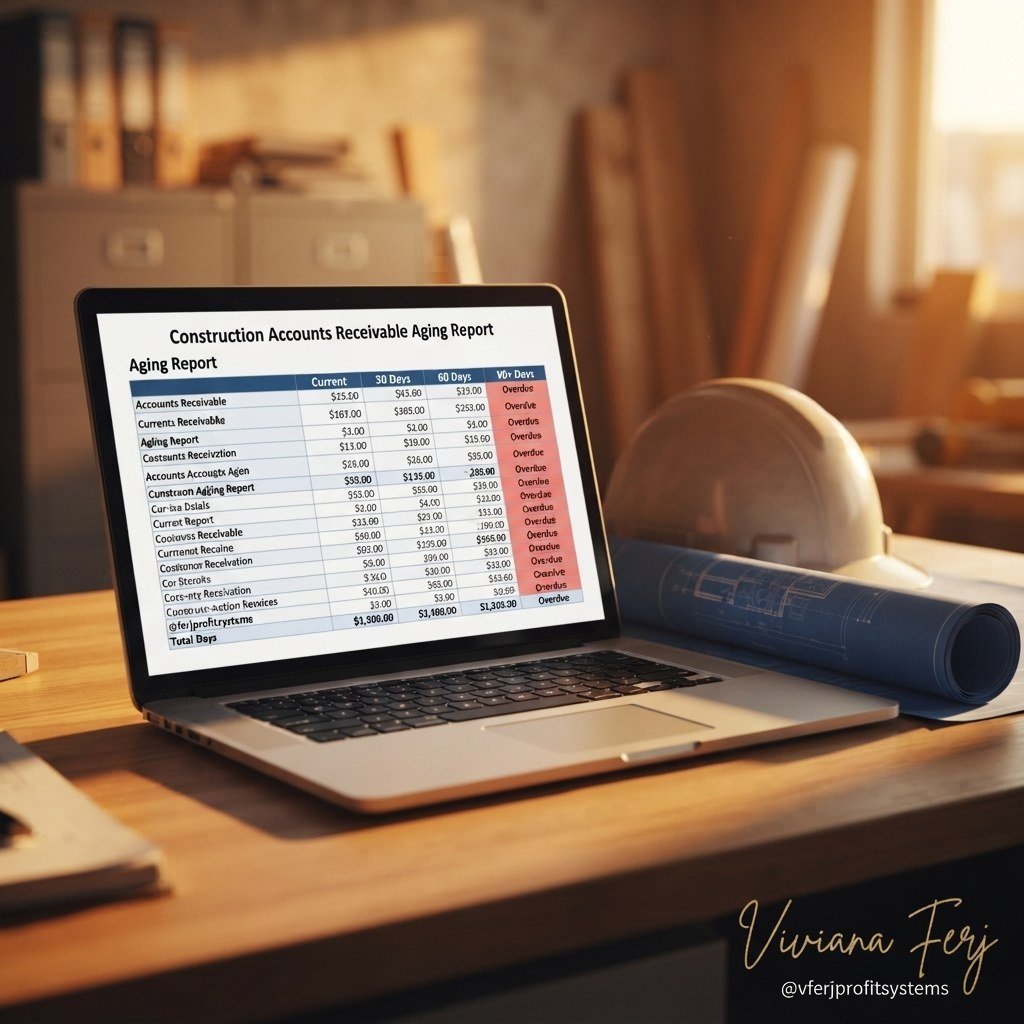
When a surety evaluates your bonding capacity, they look at your AR aging and your collection history. A high AR balance with a high percentage over 90 days is a red flag — it suggests you may have cash flow problems.
Sureties also look at your AR turnover ratio — how fast you collect on your receivables. A slow turnover rate reduces your bonding capacity, even if your total AR balance looks manageable.
The Tax Implications of AR
Under the percentage-of-completion method, taxable income is based on earned revenue — not cash collected. That means you owe tax on revenue you've earned but haven't collected yet. If your AR is high, you may owe tax on money you haven't received — creating a cash flow gap that compounds the problem.

Frequently Asked Questions
What's a "normal" AR balance for a construction company?
AR balances vary widely by company size and project type. A common benchmark is AR equal to 60–90 days of billings. More than 90 days is a concern.
How do I handle a client who pays late?
Start with a friendly reminder. If that doesn't work, escalate to a phone call. If that doesn't work, consider sending a formal demand letter or placing a lien.
What's the difference between AR and retainage?
Retainage is a specific type of AR that is held back by the client until project completion. It's tracked separately in your accounting system.
Can I use AR as collateral for bonding?
Not directly — but AR is part of your working capital calculation, which is a key factor in bonding capacity. A strong AR position helps your bonding capacity.
Take This to a Full Diagnostic of Your Operation
- Real profitability per job, not just company-wide
- WIP Schedule and detection of AR issues
- Tax provision and multi-state exposure
- Bonding capacity and subcontractor risk

Get These Insights Straight to Your Inbox
A new article on construction finance every month — no spam, unsubscribe anytime.