Insurance and Risk Exposure on the Job Site
Construction is inherently risky — and insurance is your first line of defense. Here's what you need to know about the types of insurance every contractor needs, and how to manage your risk exposure.

The Nature of Risk in Construction
Construction is one of the riskiest industries in the world. Physical injury, property damage, project delays, and design errors are all common — and all costly. A single accident can derail a project and threaten the survival of your company.
Insurance is your first line of defense. But insurance is not a substitute for good risk management — it's a backstop. The best approach is to prevent losses before they happen, and insure against the ones you can't prevent.
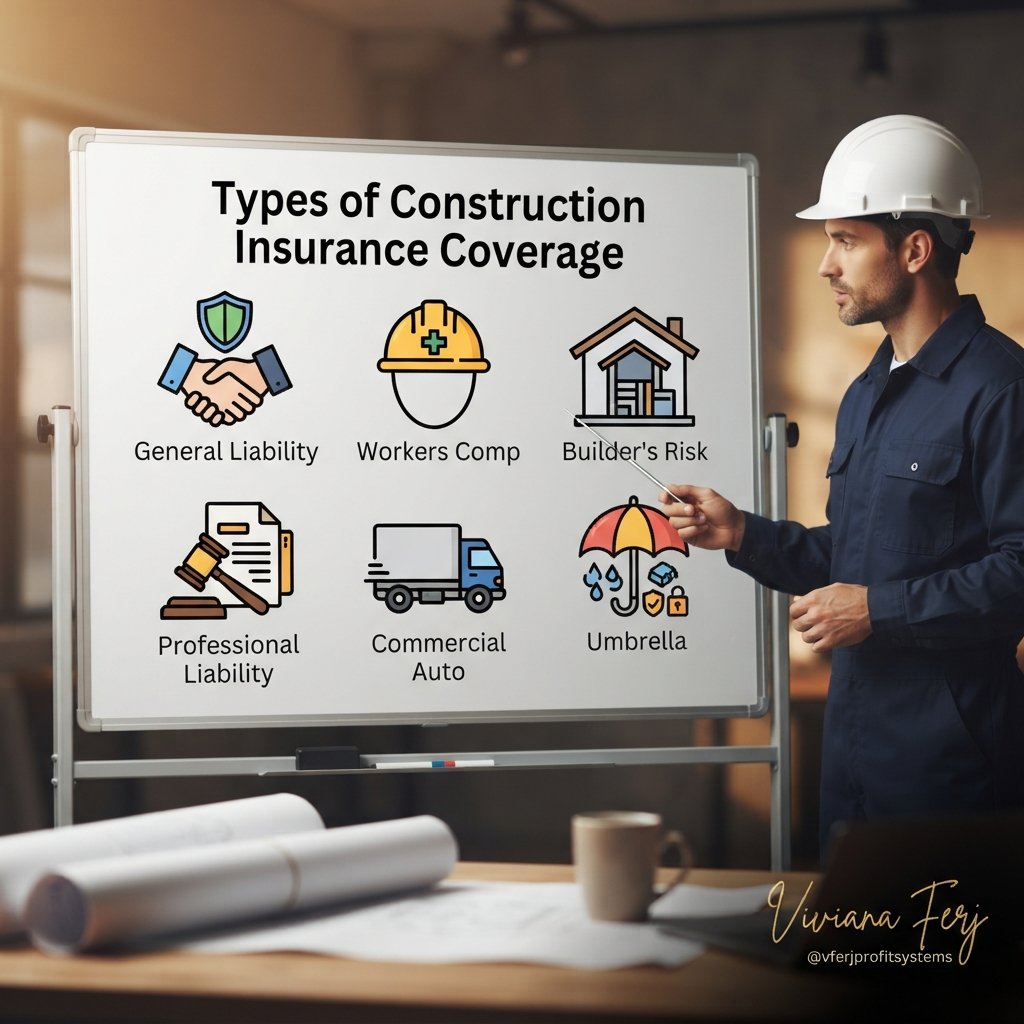
The Types of Insurance Every Contractor Needs
- General Liability: Covers third-party claims for bodily injury, property damage, and personal injury. This is the most basic insurance every contractor needs.
- Workers' Compensation: Covers medical expenses and lost wages for employees injured on the job. Required by law in most states.
- Builder's Risk: Covers the project itself — materials, equipment, and the structure — while under construction. Usually purchased for each project.
- Professional Liability: Covers errors and omissions in design or construction management. Critical for design-build contractors.
- Commercial Auto: Covers vehicles used for business — trucks, vans, and equipment haulers.
- Umbrella/Excess Liability: Provides additional coverage beyond the limits of your primary policies.

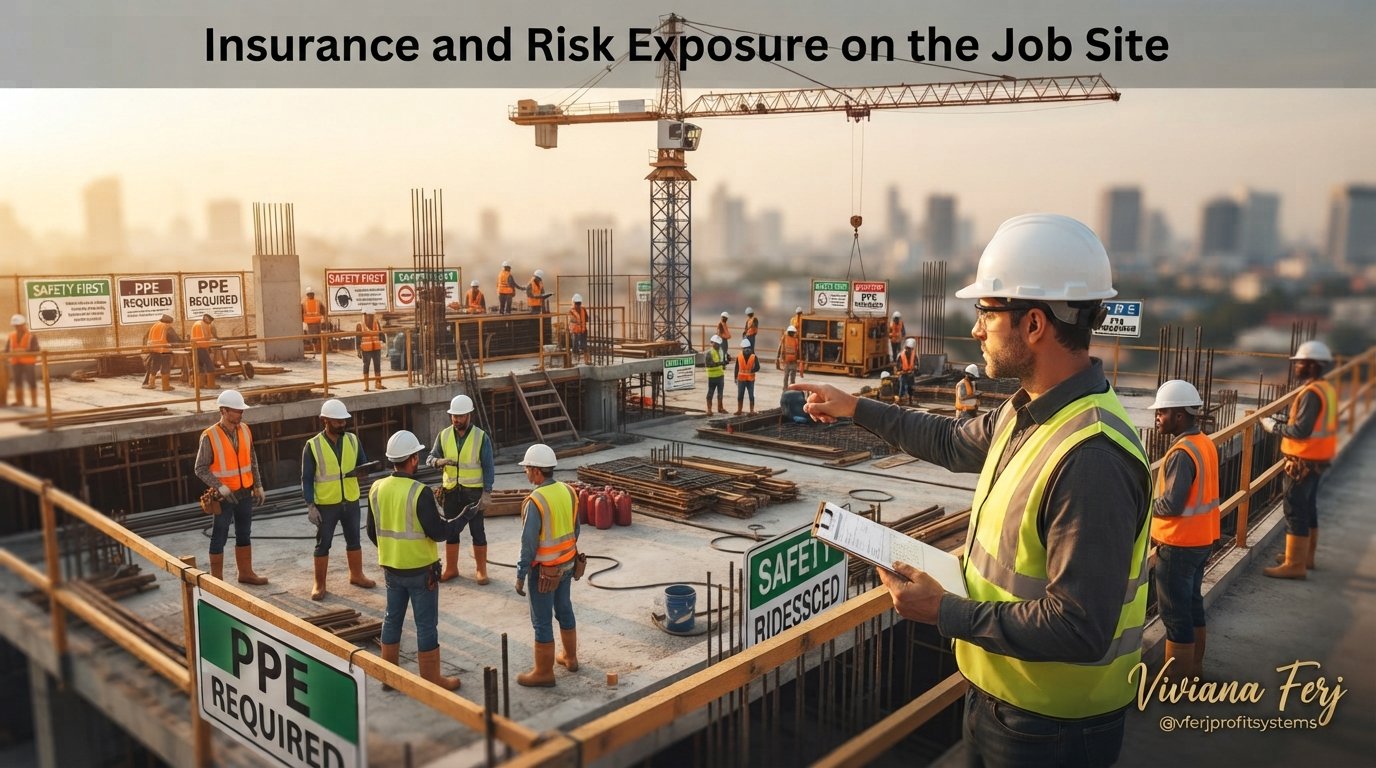
Common Risk Exposures on the Job Site
- Physical injury: Falls, equipment accidents, and struck-by incidents are the leading causes of injury on construction sites.
- Property damage: Damage to existing structures, equipment, or materials — often caused by negligence or accidents.
- Project delay: Weather, labor shortages, material delays, and subcontractor defaults can all delay a project.
- Design errors: If the design is flawed, you may be liable for the cost of rework — even if you didn't design it.
- Environmental contamination: Spills, leaks, and other environmental hazards can result in costly cleanups.
How to Manage Risk on the Job Site
- Training: Ensure all workers are trained in safety protocols and equipment operation. Regular safety meetings are essential.
- Documentation: Document everything — safety meetings, inspections, and near-misses. Good documentation is your best defense against claims.
- Subcontractor management: Require subcontractors to carry their own insurance. Verify coverage before they start work.
- Site security: Prevent unauthorized access to the site. Protect materials and equipment from theft.
- Risk transfer: Use contracts to transfer risk to subcontractors and suppliers where possible.
How Insurance Affects Your Bonding Capacity
When a surety evaluates your bonding capacity, they look at your insurance coverage. Adequate coverage is a requirement for bonding — sureties won't bond a contractor who is underinsured.
Sureties also look at your claims history. A history of frequent claims — especially large claims — is a red flag. It suggests that you may not be managing risk effectively.
When to Review Your Insurance Coverage
- Before each new project: Check that your coverage limits are adequate for the project size and risk profile.
- At each bond renewal: The surety will review your insurance coverage as part of the renewal process.
- After a claim: Review your coverage to see if you need additional protection.
- When you grow: As you take on larger projects, your coverage needs to grow with them.

Frequently Asked Questions
Do I need builder's risk insurance on every project?
Not always — but most project owners require it. If the owner doesn't require it, consider purchasing it anyway to protect your investment.
What's the difference between general liability and professional liability?
General liability covers physical injury and property damage. Professional liability covers errors and omissions in design or construction management.
Can I require subcontractors to carry insurance?
Yes — and you should. Require them to provide certificates of insurance before they start work.
How does a claim affect my bonding capacity?
Frequent claims — especially large claims — can reduce your bonding capacity. The surety sees them as evidence of poor risk management.
Take This to a Full Diagnostic of Your Operation
- Real profitability per job, not just company-wide
- Insurance and risk exposure assessment
- Tax provision and multi-state exposure
- Bonding capacity and subcontractor risk

Get These Insights Straight to Your Inbox
A new article on construction finance every month — no spam, unsubscribe anytime.