KPIs Every Construction Owner Should Review Monthly
If you're not tracking the right KPIs, you're flying blind. Here are the key metrics every construction company owner should review monthly — and why they matter.

If You Can't Measure It, You Can't Manage It
Peter Drucker famously said, "If you can't measure it, you can't manage it." In construction, that's never been more true. Without the right Key Performance Indicators (KPIs), you're making decisions based on intuition — not data.
KPIs help you answer the most important questions in construction: Is this job making money? Do I have enough cash? Is my bonding capacity at risk? Here are the KPIs every contractor should review monthly.
KPI #1: Gross Margin by Job
Your gross margin by job is the single most important profitability metric in construction. It tells you how much money you're making on each project — before overhead.
Review this monthly, job by job. If a job's margin is declining, investigate why. If a job's margin is above target, understand what's working. This KPI is the foundation of all other KPIs.

KPI #2: Over/Under-Billing Position
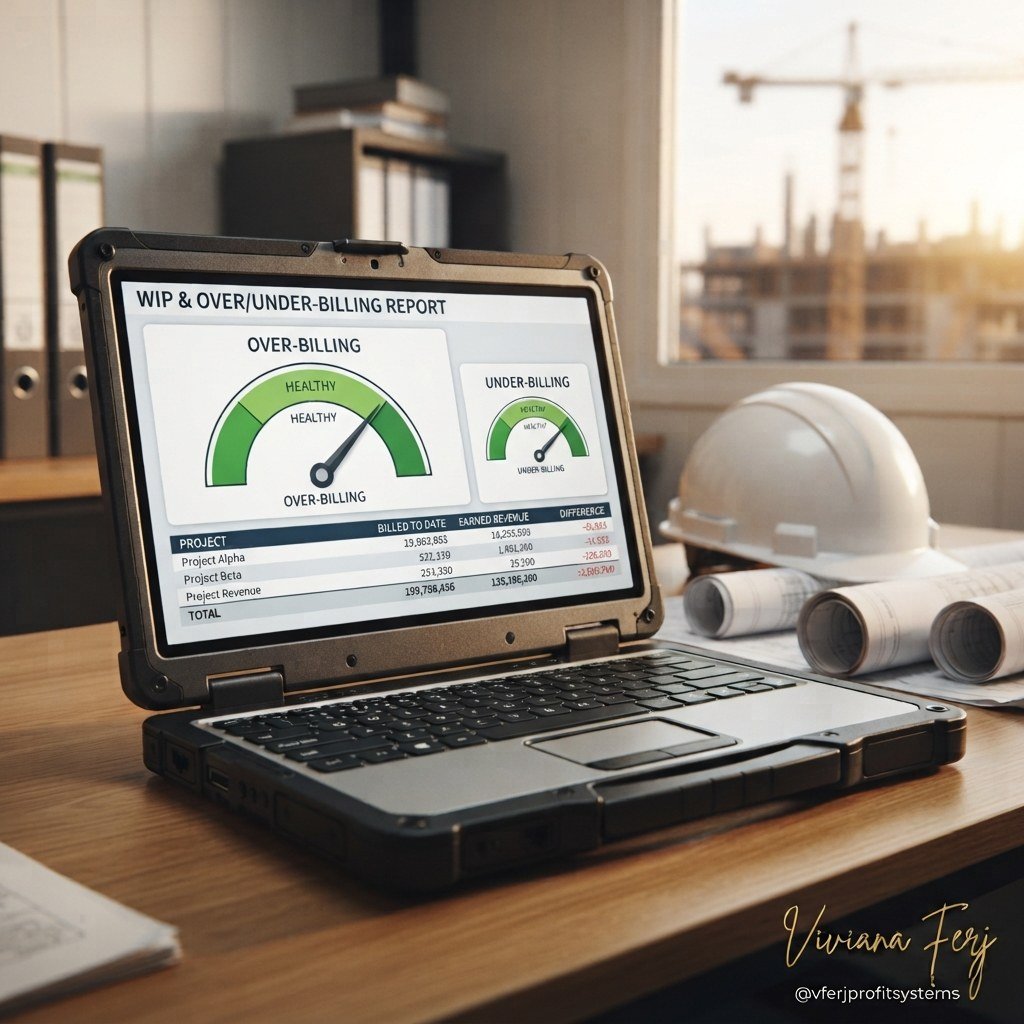
Your WIP Schedule tells you whether each job is over-billed or under-billed. A balanced position is healthy. Persistent over-billing or under-billing is a warning sign.
Review the total over/under-billing position for your entire company. If you're consistently over-billed, you're borrowing from the future. If you're consistently under-billed, you're financing the work out of pocket.
KPI #3: Working Capital
Working capital is the lifeblood of your company. It's the cash you have available to fund operations. Without working capital, you can't take on new work — or even finish existing work.
Review your working capital monthly. If it's declining, investigate why. Is it AR growing? Retainage piling up? Overhead increasing?
KPI #4: Bonding Capacity Utilization
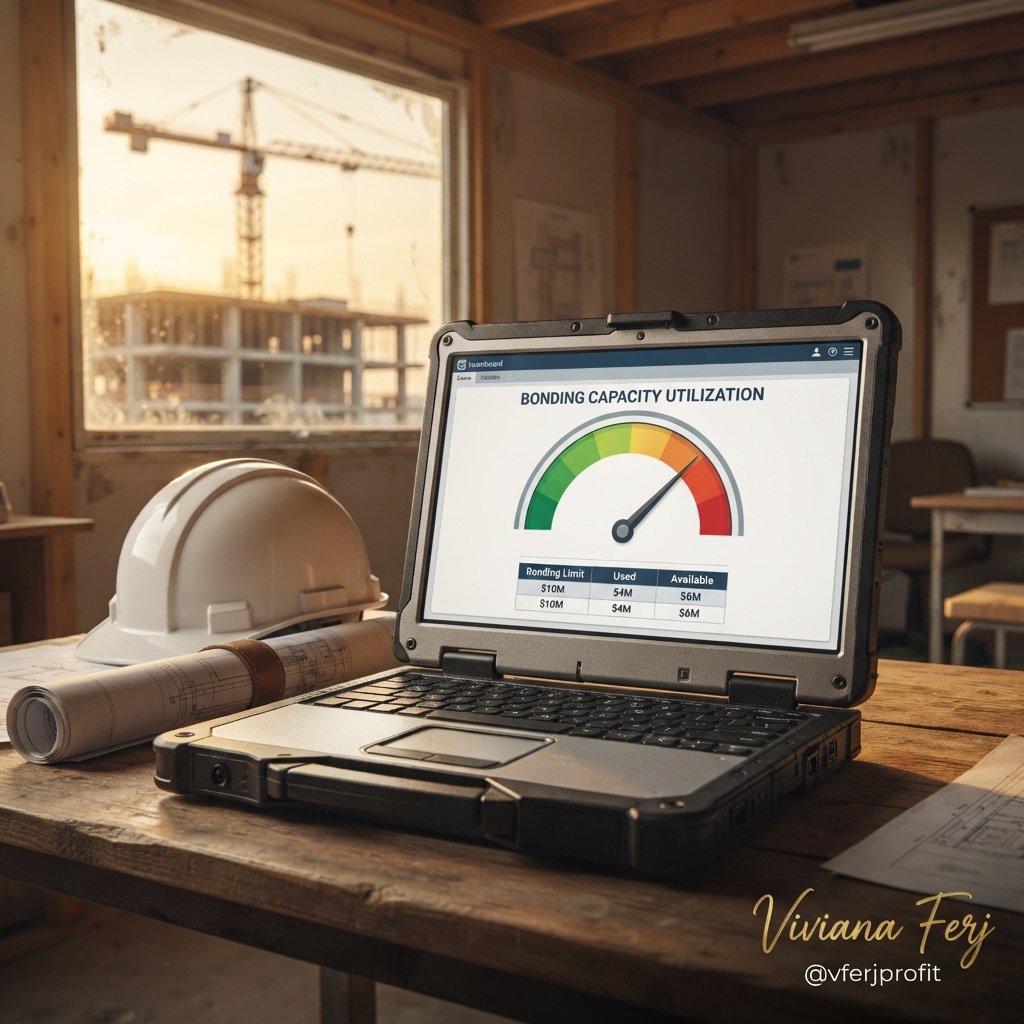
How much of your bonding capacity are you using? If you're consistently using more than 80% of your capacity, you're at risk. You won't be able to bid on new work until you finish existing projects or increase your capacity.
Review your capacity utilization monthly. If you're approaching the limit, it's time to increase your capacity — or slow down your bidding.
KPI #5: Days Sales Outstanding (DSO)
Days Sales Outstanding (DSO) is the average number of days it takes you to collect on your invoices. A high DSO means you're waiting too long to get paid — and it's straining your cash flow.
Review your DSO monthly. If it's increasing, you have a collection problem that needs to be addressed.
KPI #6: Overhead as a Percentage of Revenue
Your overhead — office staff, rent, insurance, and other fixed costs — should grow slower than your revenue. If overhead is growing faster than revenue, your margins are shrinking.
Review overhead as a percentage of revenue monthly. If it's increasing, you need to control overhead growth or increase revenue.

Frequently Asked Questions
How often should I review KPIs?
At minimum, monthly — in sync with your WIP Schedule and financial statements. Some KPIs, like cash flow, should be reviewed weekly.
What's a "good" gross margin?
It varies by sector. Commercial construction margins are typically 5-10%. Heavy civil can be higher. Residential can be lower.
What's a "healthy" DSO?
Under 45 days is healthy. Over 60 days is a concern. Over 90 days is a serious problem.
What's the most important KPI?
Gross margin by job. If you only track one KPI, track that.
Take This to a Full Diagnostic of Your Operation
- Real profitability per job, not just company-wide
- KPI tracking and improvement
- Tax provision and multi-state exposure
- Bonding capacity and subcontractor risk

Get These Insights Straight to Your Inbox
A new article on construction finance every month — no spam, unsubscribe anytime.