Subcontractor Risk: How to Protect Yourself from a Default
A subcontractor default can derail your project, damage your reputation, and cost you your bonding capacity. Here's how to assess subcontractor risk and protect yourself before it's too late.
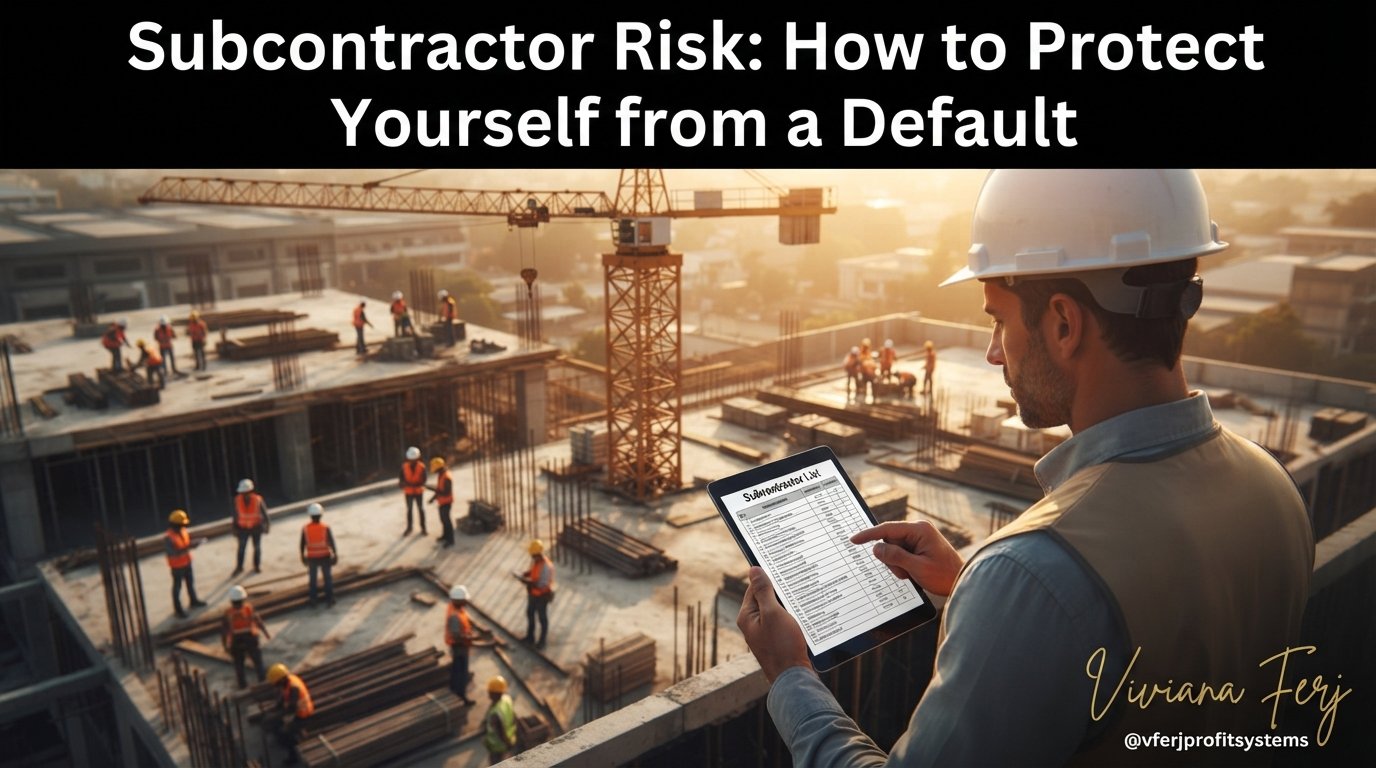
The Hidden Risk on Every Project
Subcontractors are essential to construction — but they're also one of the biggest sources of risk. A subcontractor default can delay your project, cost you money, damage your relationship with the client, and — worst of all — affect your bonding capacity.
Most contractors evaluate subcontractors based on price and availability. But price is the least important factor in subcontractor risk. The real question is: will they perform?
The Most Common Subcontractor Risks
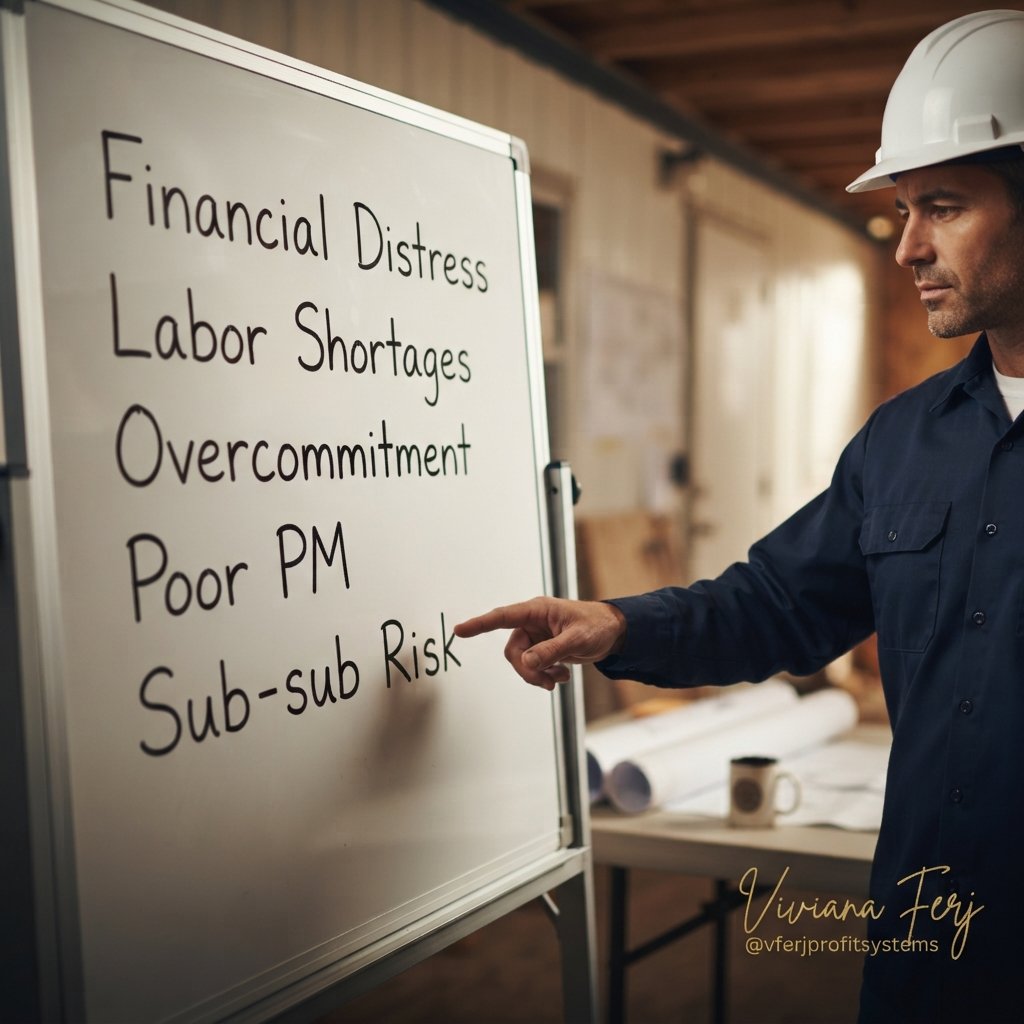
- Financial distress: The subcontractor runs out of cash and can't pay their suppliers or workers.
- Labor shortages: The subcontractor doesn't have enough skilled workers to complete the scope on time.
- Overcommitment: The subcontractor takes on too much work and can't service all their projects.
- Poor project management: The subcontractor lacks the systems to track costs, schedule, and quality.
- Sub-subcontractor risk: The subcontractor's subs may default — and you're responsible.
How to Assess Subcontractor Financial Health
- Review their financial statements: Ask for balance sheets, income statements, and cash flow statements. Look for declining margins, growing debt, and thin working capital.
- Check their bonding capacity: If a subcontractor can't get bonded, that's a red flag.
- Ask for references: Talk to other general contractors who have worked with them recently.
- Check their payment history: Ask suppliers if the subcontractor pays on time. Slow payments suggest cash flow problems.
- Monitor their workload: If they're taking on more work than they can handle, they may be overcommitting.

The Cost of a Subcontractor Default
The cost of a subcontractor default is more than just the cost of completing the work. Consider the additional costs:
- Replacement cost: You'll likely pay a premium to bring in a replacement subcontractor on short notice.
- Delay costs: The project is delayed while you find a replacement — and you may have liquidated damages.
- Reputation damage: If the project is delayed, your client may not use you again.
- Bonding impact: A default on your project will be reported to your surety, which can reduce your bonding capacity.

How to Protect Your Project from Subcontractor Risk
- Prequalify subcontractors: Before you award a contract, review their financials, references, and bonding capacity.
- Require bonding: For large subcontracts, require the subcontractor to post a bond. If they can't, that's a warning.
- Include payment provisions: Pay subcontractors based on progress, not upfront. Retainage gives you leverage.
- Monitor performance: Track the subcontractor's progress against schedule and budget. If they're falling behind, address it immediately.
- Maintain a backup list: Have a list of qualified subcontractors ready to step in if your primary subcontractor defaults.
How Subcontractor Risk Affects Your Bonding Capacity
When a surety evaluates your bonding capacity, they look at your subcontractor management. If you have a history of subcontractor defaults — or if you can't show that you assess subcontractor risk — the surety will reduce your capacity.
Sureties also look at your subcontractor payment history. If you don't pay your subcontractors on time, they may file liens — and those liens show up on your project and affect your bonding capacity.

Frequently Asked Questions
Can I require a subcontractor to post a bond?
Yes — for large subcontracts, many general contractors require subcontractor performance bonds. If the subcontractor can't get bonded, that's a red flag.
What should I do if a subcontractor defaults?
First, document everything. Second, notify your surety if the subcontract was bonded. Third, mobilize a replacement subcontractor as quickly as possible.
How often should I review subcontractor financials?
At minimum, before you award a contract. For long-term projects, review financials quarterly.
Does subcontractor risk affect my bonding capacity?
Yes. A history of subcontractor defaults — or lack of subcontractor management processes — will reduce your bonding capacity.
Take This to a Full Diagnostic of Your Operation
- Real profitability per job, not just company-wide
- Subcontractor risk assessment and management
- Tax provision and multi-state exposure
- Bonding capacity and subcontractor risk

Get These Insights Straight to Your Inbox
A new article on construction finance every month — no spam, unsubscribe anytime.