The Real Cost of Safety (Or Not Investing in It)
Safety isn't just a moral obligation — it's a financial one. A single accident can wipe out a year's profit and damage your bonding capacity. Here's the true cost of safety — and the cost of not investing in it.
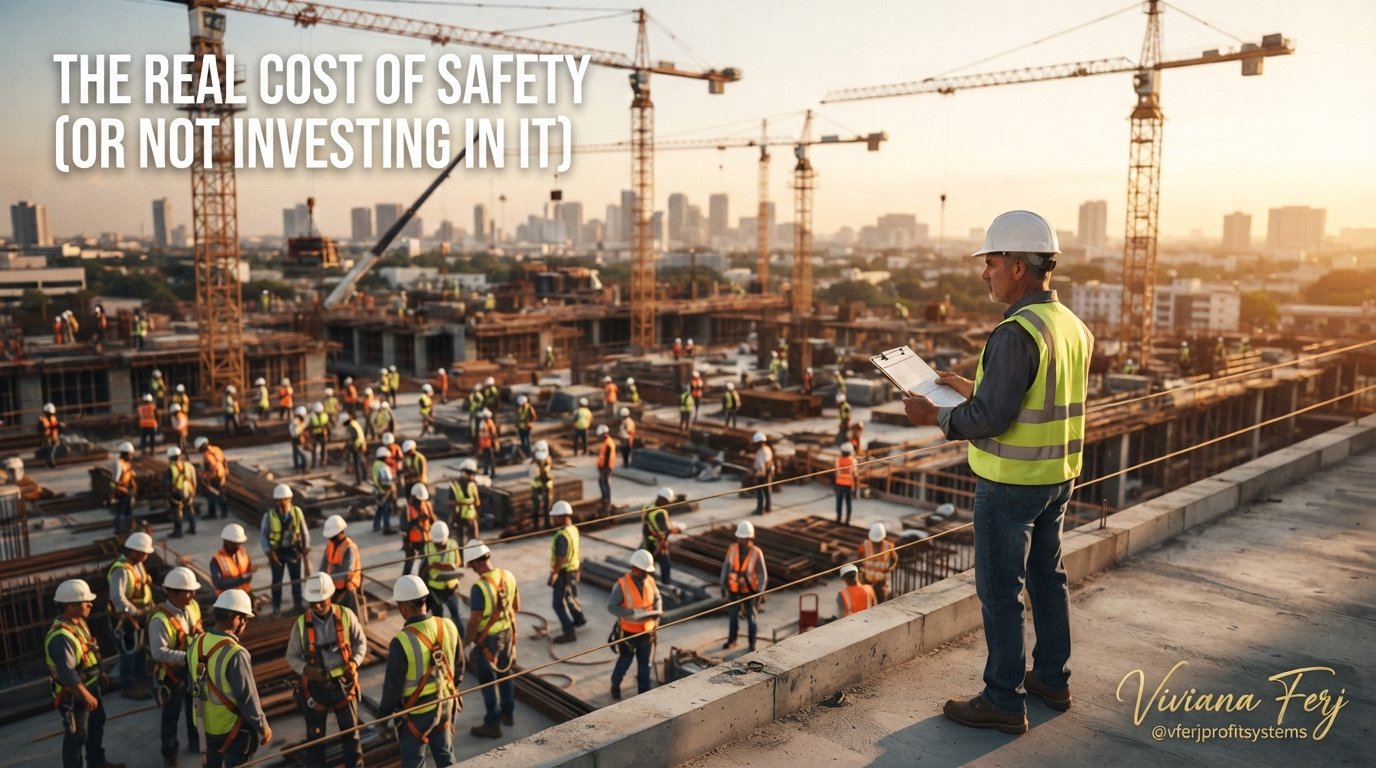
Safety Is Not Just a Moral Obligation
Safety is often treated as a compliance issue — something required by OSHA, something you do to avoid fines. But safety is also a financial issue. A single accident can wipe out a year's profit, drive up insurance costs, and damage your bonding capacity.
Every dollar spent on safety is an investment in risk reduction. And every dollar not spent on safety is a bet that nothing will happen. That's a bet with terrible odds.
The Hidden Cost of Accidents
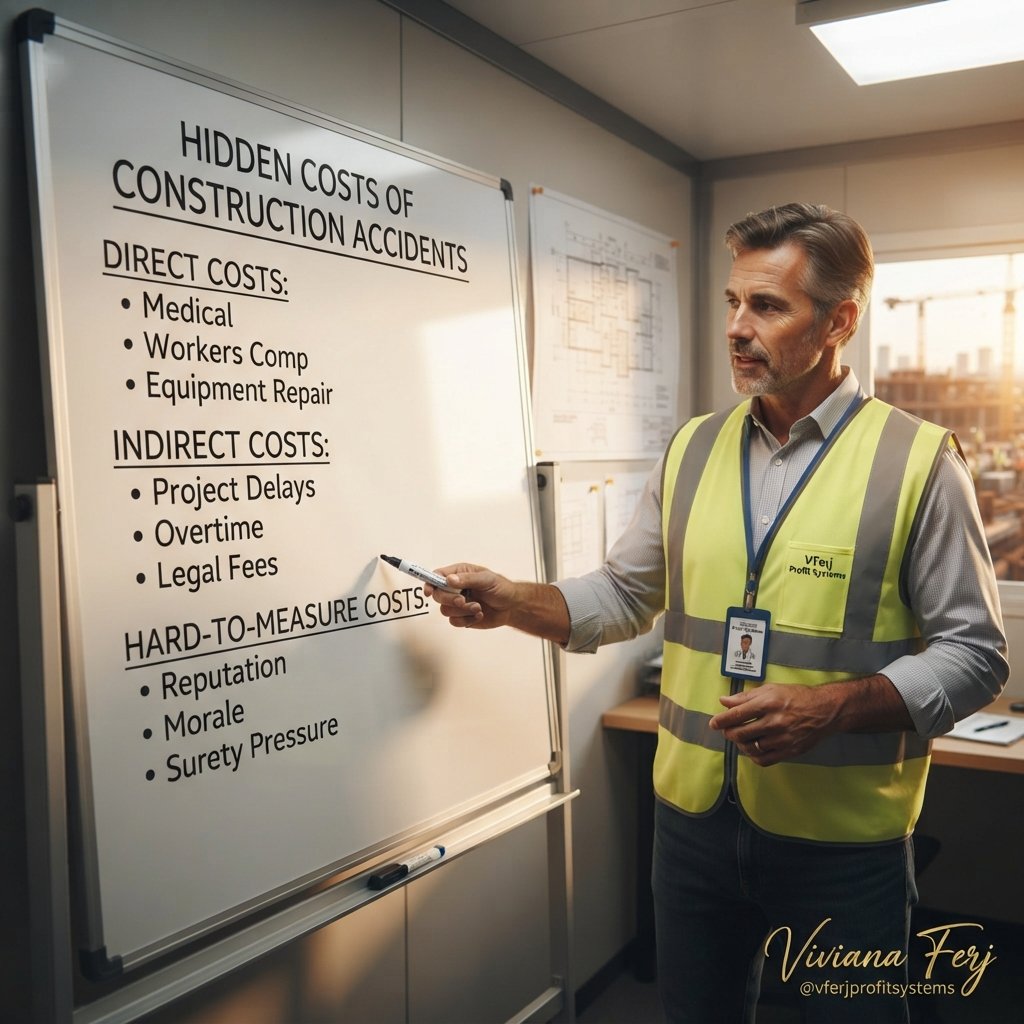
A workplace accident has direct and indirect costs:
- Direct costs: Medical expenses, workers' compensation claims, equipment repair or replacement.
- Indirect costs: Project delays, overtime, lost productivity, administrative time, legal fees, reputation damage.
- Hard-to-measure costs: Reduced team morale, difficulty hiring, pressure from the surety.
A Numerical Example: The Cost of One Accident
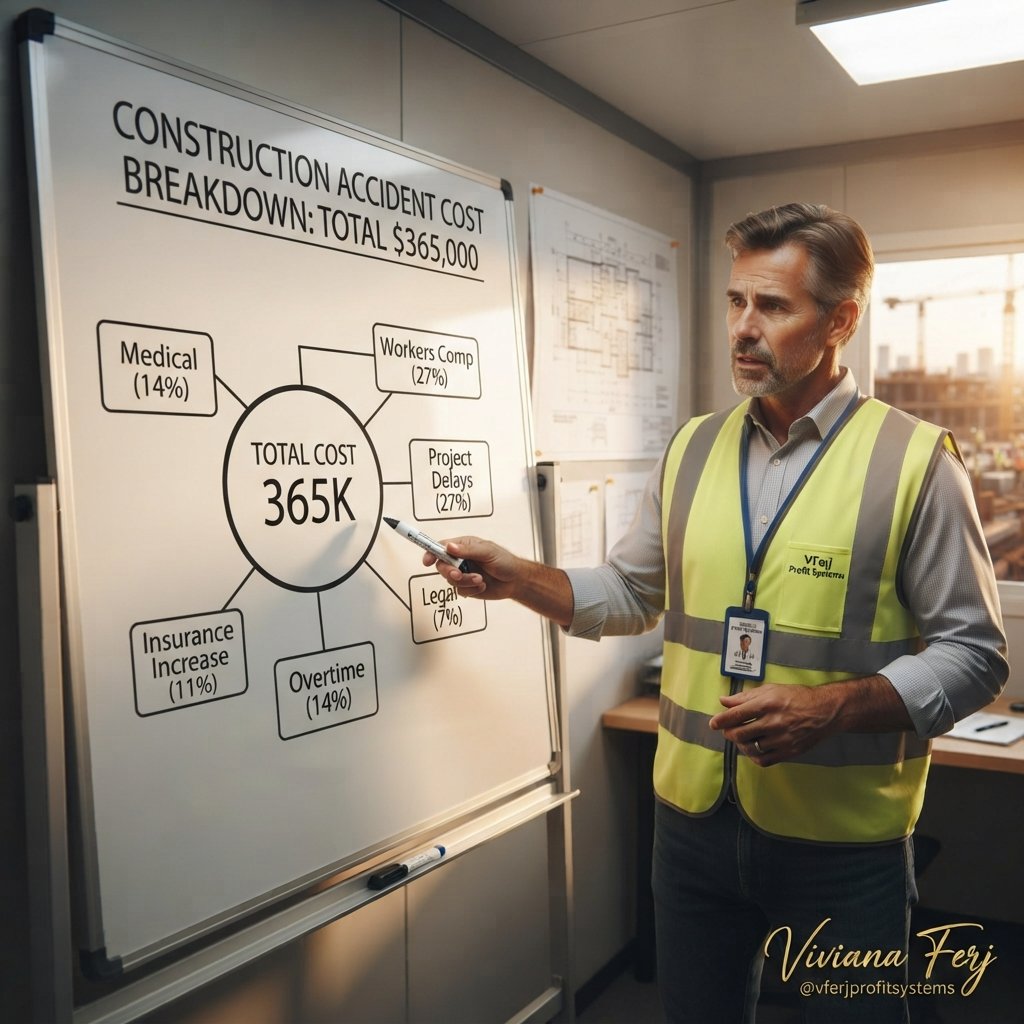
Suppose a $10 million company with a 10% margin. A serious accident occurs:
- Direct costs: $50,000 in medical expenses and $100,000 in workers' comp claims.
- Indirect costs: Project delays cost $100,000. Overtime costs $50,000. Legal fees are $25,000.
- Insurance impact: Premiums increase by 20% — $40,000 per year going forward.
- Reputation impact: Bonding capacity is reduced by $1,000,000.
Total cost: $365,000 in the first year — plus the ongoing insurance increase and reduced bonding capacity.
The Safety ROI: Prevention Pays
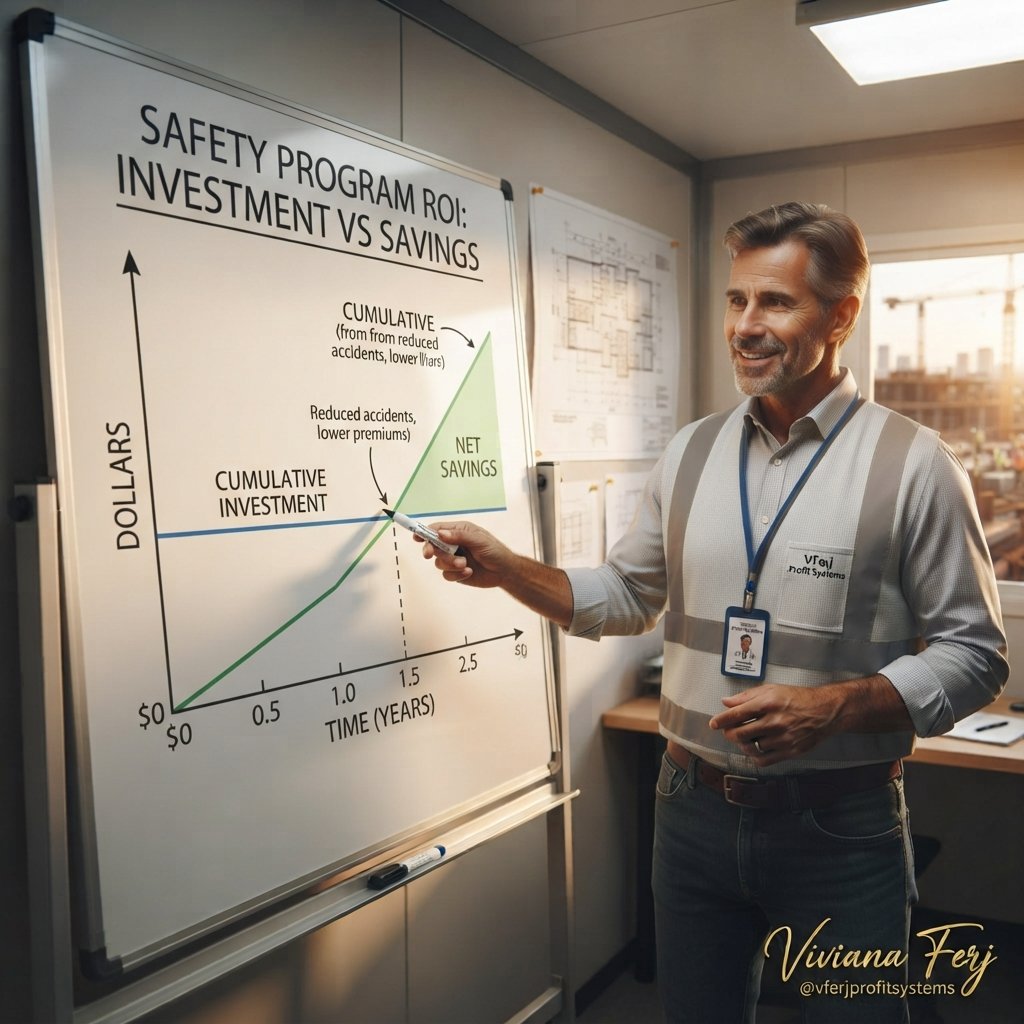
Investing in safety has a clear ROI. A typical safety program costs 1-2% of total labor costs. The ROI comes from:
- Reduced workers' compensation claims: Fewer claims = lower premiums.
- Reduced project delays: Fewer accidents = fewer delays.
- Improved productivity: A safe crew is a productive crew.
- Better employee retention: Workers want to work for safe companies.
- Lower insurance costs: Fewer claims = lower rates.
How Safety Affects Your Bonding Capacity
When a surety evaluates your bonding capacity, they look at your safety record. A history of frequent or serious accidents is a red flag. It suggests that you're not managing risk effectively — and if you're not managing risk, you're a higher risk for the surety.
Safety also affects your insurance rates — and insurance is a prerequisite for bonding. If your rates go up, it reduces your bonding capacity.
How to Build a Safety Culture
- Lead from the top: Safety starts with the owner. If you don't prioritize it, your team won't.
- Invest in training: Regular safety training is the most effective way to prevent accidents.
- Track safety metrics: TRIR (Total Recordable Incident Rate) and DART (Days Away, Restricted, Transferred) are key metrics.
- Reward safety: Recognize and reward crews with good safety records.
- Investigate near misses: Near misses are opportunities to prevent accidents. Investigate them.

Frequently Asked Questions
What's the most common safety violation in construction?
Fall protection is the most common OSHA violation — accounting for about 30% of all citations.
What's a good TRIR rate?
A TRIR below 3.0 is good. Below 2.0 is excellent. Above 4.0 is a concern.
How does safety affect insurance premiums?
Poor safety records lead to higher experience modification rates (EMRs) — which means higher premiums.
Can I be denied bonding because of safety?
Yes — a poor safety record can reduce your bonding capacity or lead to a denial.
Take This to a Full Diagnostic of Your Operation
- Real profitability per job, not just company-wide
- Safety program and risk management
- Tax provision and multi-state exposure
- Bonding capacity and subcontractor risk

Get These Insights Straight to Your Inbox
A new article on construction finance every month — no spam, unsubscribe anytime.